🛡️ System Administration
📚 Documentation
Click a picture to open the full guide and its video:
 Ansible
 Active Directory with SSSD
 Troubleshooting Active Directory
 authd
Ubuntu Login with Microsoft Entra ID
 Samba
 Postfix
 Creating SSH Keys
 Passwordless SSH Login
 Creating TLS Certificates
 OpenSSL
 Systemctl
 IP Command
 nmtui
Set Up the Network from a Text Menu
 NIC Bonding
 firewalld
Zones, Services and Rich Rules
 iptables
Rules, NAT and Safe Changes
 nftables
Tables, Sets and Rulesets
 ufw
The Uncomplicated Firewall
 SELinux
Labels, Denials and Fixes
 Dig
 BIND
Run Your Own DNS Server
 Nmap
 Tcpdump
 tcpdump Filters
the BPF Language
 Wireshark
 Htop
 Ps
 Lsof
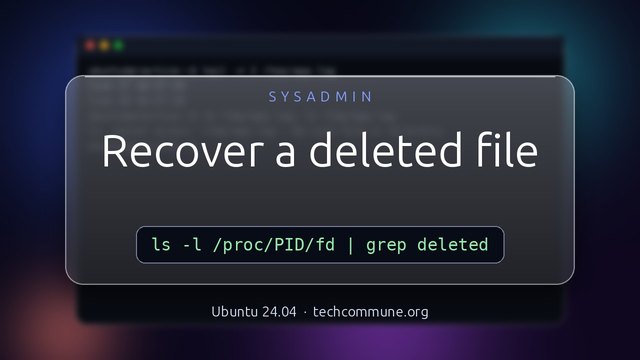 Recover a Deleted File
 superfile
A Terminal File Manager
 Iftop
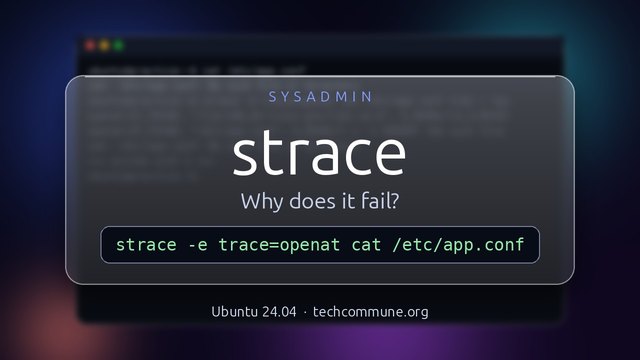 Strace
 Ltrace
 Perf
 Nagios Core
Hosts, Services and Alerts
 Checkmk
Monitoring with Auto-Discovery
 Zabbix
Install, Hosts, Triggers and Alerts
 Prometheus
Metrics, PromQL and Alerting
 Grafana
Dashboards, Data Sources and Alerts
 Loki
Log Aggregation, LogQL and Alerts
 MySQL
 MySQL Replication
 PostgreSQL
 Receive-Only Mail in Docker
 SSHFS
Remote Folders over SSH
 systemd Units and Timers
 Disks, LVM and Filesystems
 Users, Groups and sudo
 Package Management Across Distros
 Ansible One-Liners
 Ansible Roles and Projects
 Ansible Semaphore
A Web UI and API for Playbooks
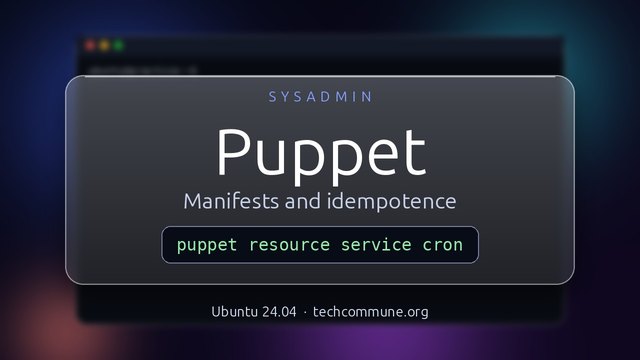 Puppet
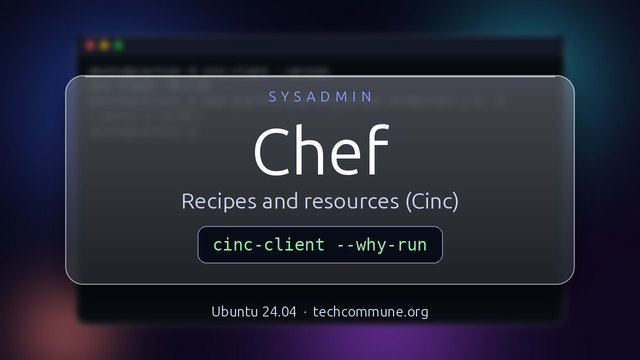 Chef
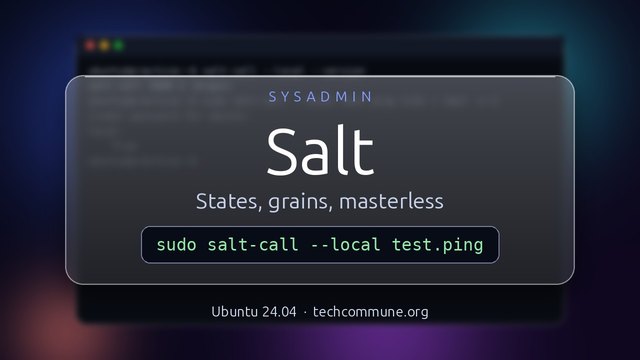 Salt
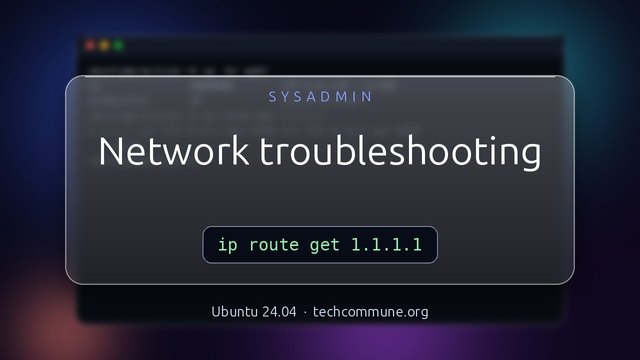 Network Troubleshooting
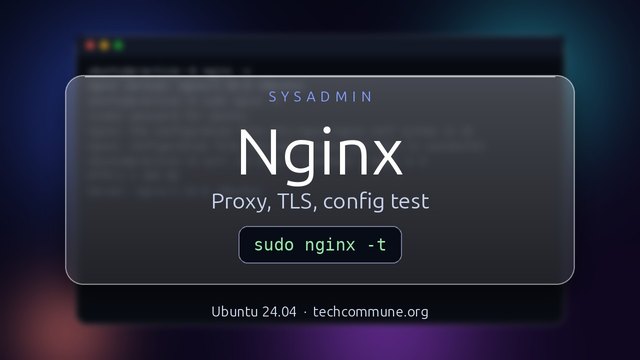 Nginx Guide
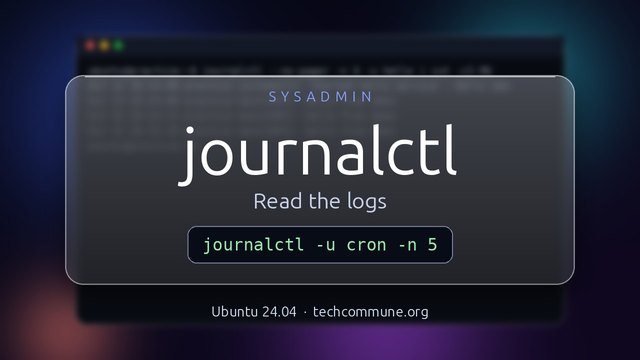 journalctl
The systemd Journal
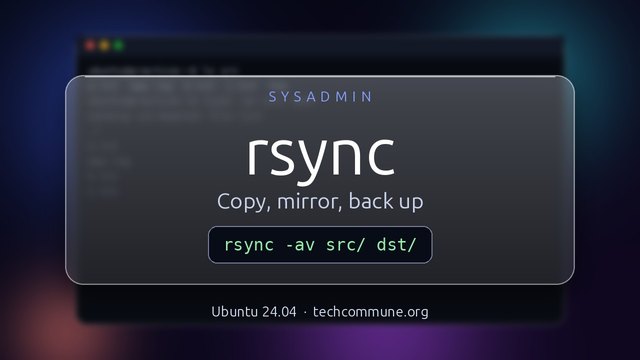 rsync
Copy, Mirror and Back Up
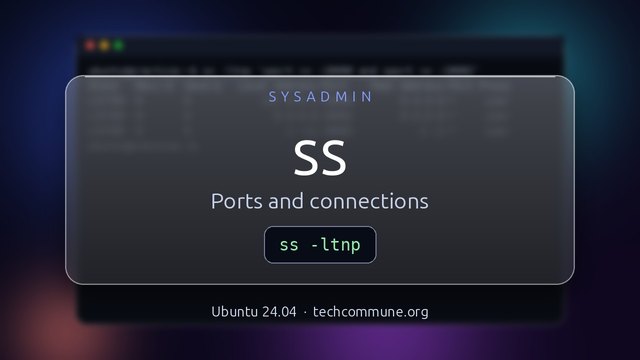 ss
Sockets and Listening Ports
 cron
Scheduling Jobs
 Runbook
Slow Server / High Load
 Runbook
Disk Full
 Runbook
Server Won't Boot
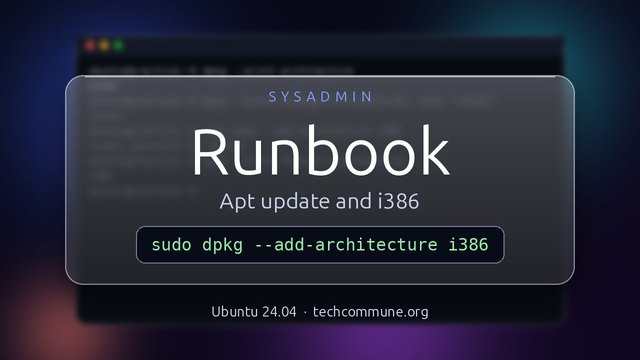 Runbook
apt update Fails on i386
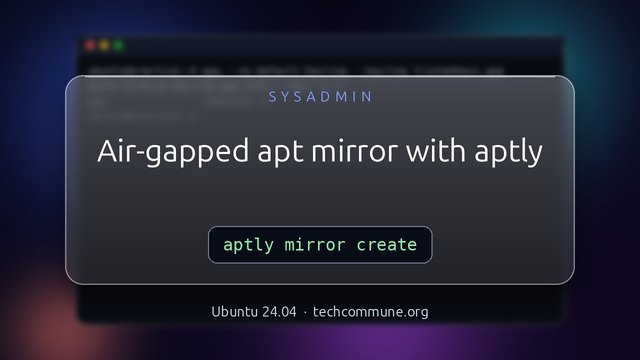 Air-Gapped Repositories for Ubuntu and Red Hat
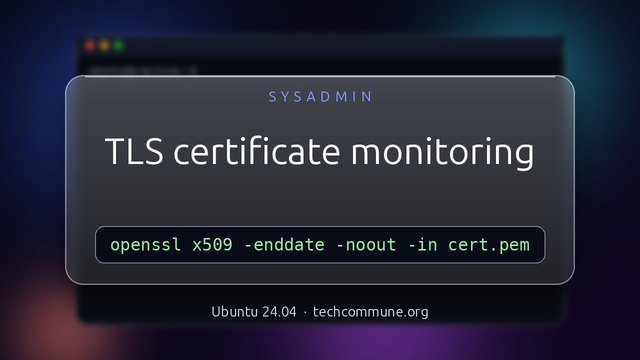 TLS Certificate Monitoring
Where uptime is a religion and reboot is the last resort.
Why did the sysadmin bring a ladder to the server room?
Because the uptime percentage needed a mount!
Because the uptime percentage needed a mount!
Core Principles
- Backup, Verify, Repeat — 3-2-1 rule (3 copies, 2 media, 1 offsite)
- Monitor Everything — CPU, memory, disk, network, uptime
- Automate the Boring Stuff — If you do it twice, script it
- Least Privilege — Not everyone needs sudo
⚠️ Pro Tip: Never reboot a production server without checking if someone is working on it. Use who and w first.
Coming Soon
- Linux hardening guides
- Nginx and Apache configuration
- Firewall rules (iptables/nftables)
- Log analysis with journalctl
- Performance tuning
What's a sysadmin's favorite song?
"Never Gonna Give You Up" — because the uptime never gives up!
"Never Gonna Give You Up" — because the uptime never gives up!